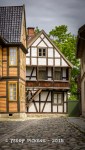
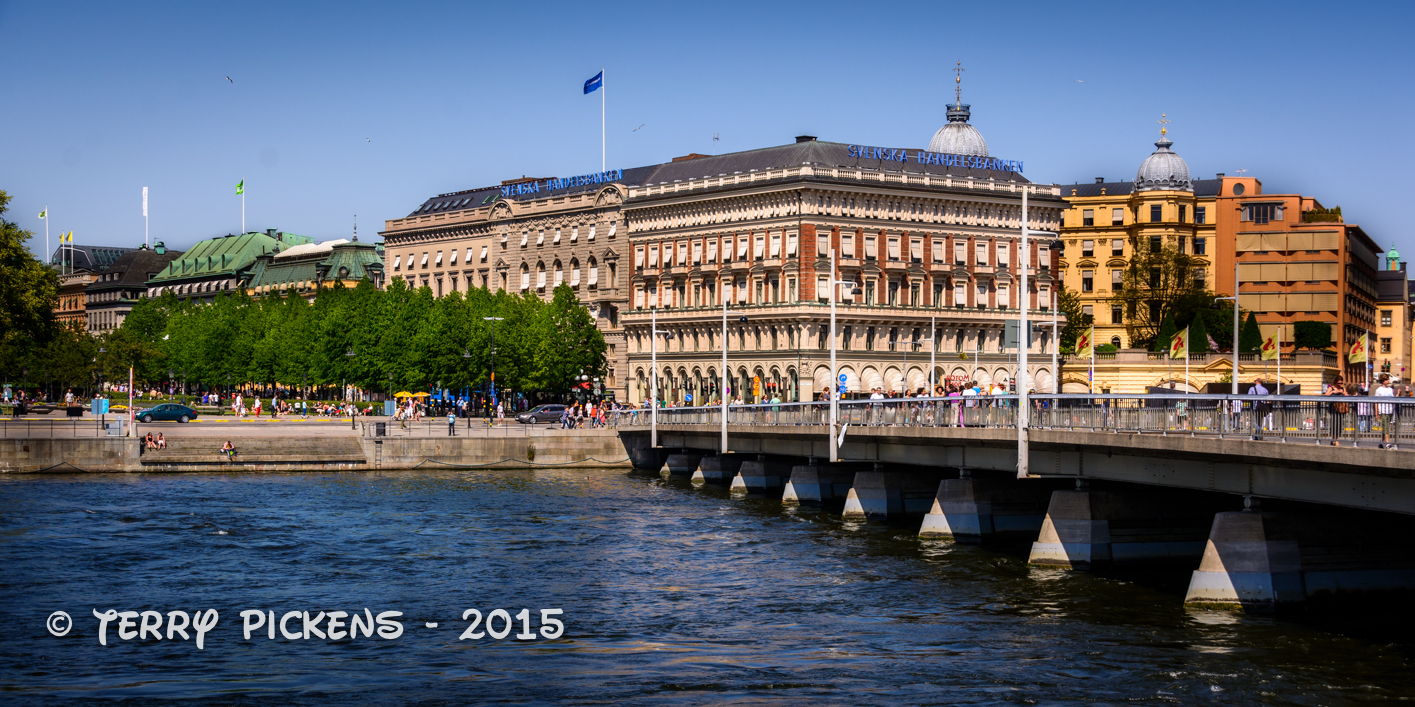
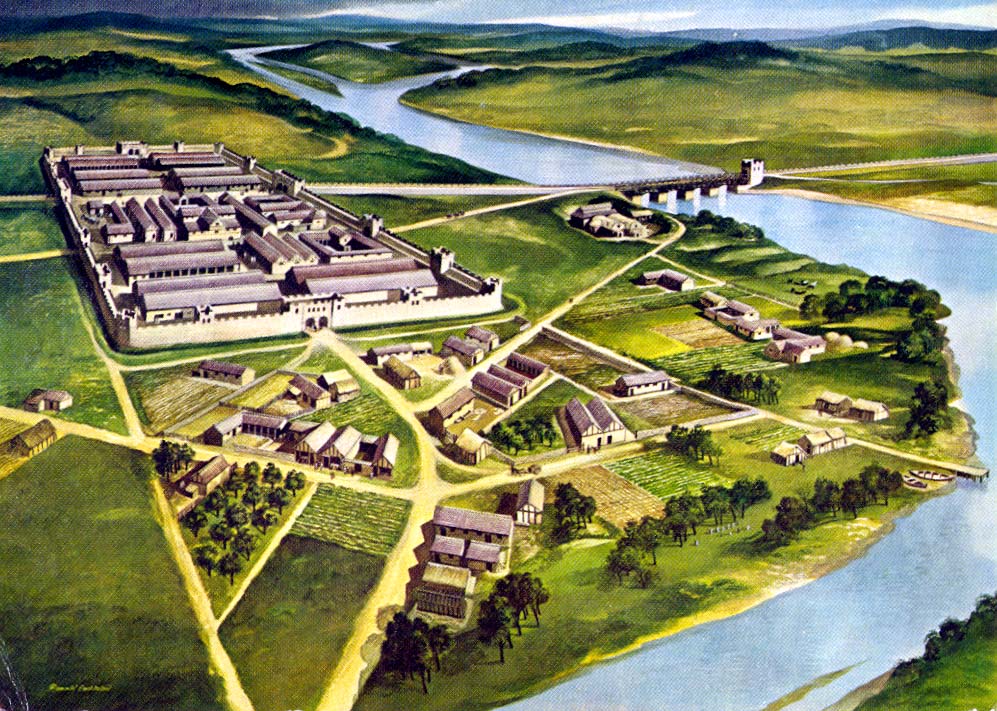
After the morning wandering and exploring Beamish we drove approximately 30 miles to visit Chesters Fort (LINK) a part of Hadrian’s Wall (LINK). Driving along beautiful countryside we had to have the car disinfected for Foot and Mouth. Arriving at the fort we visited the museum to learn the history of the wall and fort, then walked through disinfecting mats for our short walk to the fort.
Europe
Welcome to Beamish – A Living Museum of Northeastern English Life
Back in 2001 it was decided to visit England, Scotland and Wales and to delve into the history, architecture and culture of the country. What we discovered was an excellent way to do this, Living Outdoor Museums. This was the first Living Open-Air museum that I had ever visited and it started a search for additional ones during all future travels in the USA and Europe. Visiting one gives you the experience and a real sense of the past as you discover what life was like. Within the different buildings there usually are actors in period dress demonstrating the daily life of the time being depicted, while answering questions you might have and explaining what it was like living in those times.
Pompeii – The death of a city
On a fateful August morning in 79 AD Pompeii (LINK), a Roman town-city near modern Naples, was totally destroyed and buried under a volcanic eruption of Mount Vesuvius (LINK) killing around 3,000 people as the rest of the population had already fled before the eruption. A flood of ash and protoplasmic heated air rained down on the town for approximately 6 hours completely burying the town and its inhabitants in up to twelve layers of ash and debris up to 82 feet (25 meters) deep.
The Tower of London
Well lets travel back in time with Mr. Peabody and his “Way-Back-Machine”.
Let us set the time machine for September of 2001 and revisit a trip to England, Scotland and Wales.
TRIP PLANNING
“Knowledge is learned but wisdom must be lived” – Anne Wilson Schaef
Travel philosophy ~ But of course, to plan an unbelievably memorable adventure that can be cherished in your minds and shared.

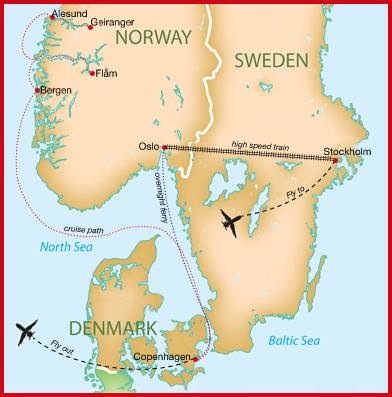
Map of trip
THE GOAL is to travel locally; to see the culture, history, architecture and art; to meet wonderful new people from all walks of life and countries while trying to stay mostly in private homes or home based B&B’s and camping when a convenient room cannot be found, if equipped. If a hotel is the only place available try to stay in small family run hotels. What better way to learn about your host country and their culture than to meet and stay with the people and see how they live? Learn to live and think locally, enjoy the new experiences. Respect the cultural and leave your dogma at home, relish in the differences. I live with Americans every day but when traveling I like to be with the people of that particular country. Try to travel with a small group or even individually, as people will be more open toward you rather than if you are in a large tour group.
“We have arrogantly assumed that our way of living is better when we have not experienced, known and/or participated in other ways of living, Sometimes what we learn from other people and cultures doesn’t have to be political or spiritual. It can be something that is just good to do. – Anne Wilson Schaef
The Art Nouveau town of Alesund, Norway
This morning we dock in Alesund, Norway a municipality founded in 1838 consisting of a population of 45,033 surronded by fjords and the high peaks of the Sunnmor Alps. Alesund is the most important fishing harbor in Norway and was destroyed by fire in 1904, luckily only 1 person was killed but 10,000 were left homeless. The buildings of the town center were rebuilt in the Art Nouveau Style between 1904 and 1908. We plan to use the 10 stop Hop-on-Hop-Off bus that circles the town which gives us 24-hour transport with commentary.

Alesund from Fjellstua
Upon reaching the mountain top stop at Fjellstua we get off the bus to view the town below us and appraise the menu of the restaurant that serves basic local dishes. Still full from breakfast we skip buying anything and just enjoy the view. It is decided we shall tackle the steep 418 steps back down to the town ending in Parken Kolturhus. Thank goodness we did not come up them, it is very steep and the steps are all at differing heights (from ankle to knee height).
- MIND YOUR STEP
- Path from Fjellstua
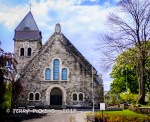
Reaching sea level again we jump back on the Hop on Hop off bus at the Rica Parken Hotel and get off at the Art Nouveau City Center to walk around town enjoying the architecture and end at the Alesund Kirke (Church). The church was closed but it was a magnificent marble clad building, I can only imagine how nice it was inside.
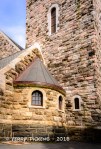
- Alesund Kirke
- Alesund Kirke
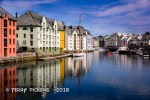
- Alesundet Harbor Bridge , Alesund
- Alesundet Harbor, Alesund
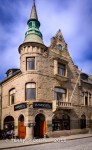
- City Center Building
- City Center Sign
- Street Furniture
- Building Number
- Door Knokker
- Door Bell
- Building Number
- Alesund manhole cover
The ship is leaving Alesund in the late afternoon so we will get a lot of scenic vistas as we wind our way through the numerous fjords on our way to tomorrows stop at the small town of Geiranger, Norway.
Vigeland Museum and Frogner Park
After we finish exploring Akershus Fortress we take the T-Bane over to the Vigeland Museum. This museum was the workplace and home to Gustav Vigeland, a Norwegian artist who negotiated free rent on this space for the future rights to his work with the government. This building houses his sculptures, woodcarvings, models, drawings, sketches and photographs of the artist through his years of work. His interesting sculptures are very modern and surreal which made for an interesting and thought provoking visit.
Vigeland was born in 1869 to a family of craftsmen and also designed the Nobel Peace Prize Medal. Vigeland moved to his new studio in Frogner Borough during 1924. His studio was located in the vicinity of Frogner Park, which he had chosen as the definitive location for his fountain. Over the following twenty years, Vigeland was devoted to the project of an open exhibition of his works, which later turned into the Vigeland Sculpture Arrangement in Frogner Park.
- Busts
- Pugatory
- Purgatory and the Devil
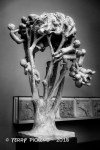
- Statue
- Lady riding Reindeer
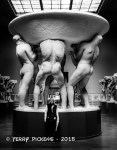
- Fountain
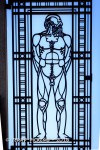
- Iron Statue
Right across the street from the museum is Frogner Park with the Vigeland Outdoor Sculpture Area. We first stop at a corner 7-11 and pickup hot dogs, chips and drinks for a lunch in the park as not much else was open during the holiday. We join the thousands of other people enjoying the sunny holiday in the park while eating our picnic lunch. Frogner Park is the largest park in Oslo occupying a former manor house grounds of 80 acres. The park includes the Manor House and Vigeland Sculptural Exhibition area which houses 212 of his bronze and granite sculptures. There is no way we would be able to walk the entire park so we concentrate on the area between the museum, the Monolith Plateau, the Fountain and the Bridge which showcases Vigeland’s sculptures. What an enjoyable time exploring these sculptures and the park grounds. We cross the bridge, head to the T-Bane stop at the Main Gate on Kirkeveien and head back to our apartment after a glorious afternoon of walking. This was the most crowded we saw the T-Bane during our time here and we had to wait for 2 trolleys before we were able board. Everyone was outside enjoying the weather and visiting with family and friends.
- Main Gate
- Main Gate detail
- Looking toward Fountain and Monolith Plateau
- Looking to the the Main Gate from the Plateau
- Fountain
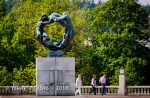
- View from Monolith Plateau to the Circle of Life
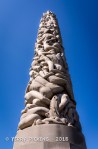
- Monolith
- Vigeland Sculpture
- Circle of Life
- Vigeland Sculpture
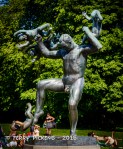
- Man catching falling babies
- Monolith Totem
- Lake
Such a wonderful day, Vigeland sculptures belong in a park. They are larger than life and make your mind explore the meaning behind them. A park for an afternoon stroll and picnic lunch in the beautiful sunshine.
Norsk Folkemueum; Oslo, Norway
After our 2-3 hour exploration of the Viking Ships we board the bus for the short trip to the Norsk Folkemueum (link) just down the road.
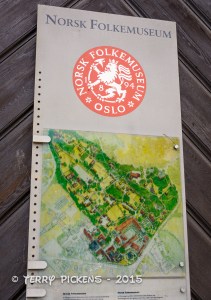
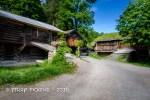
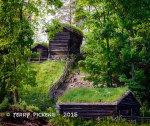
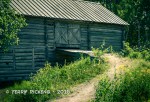
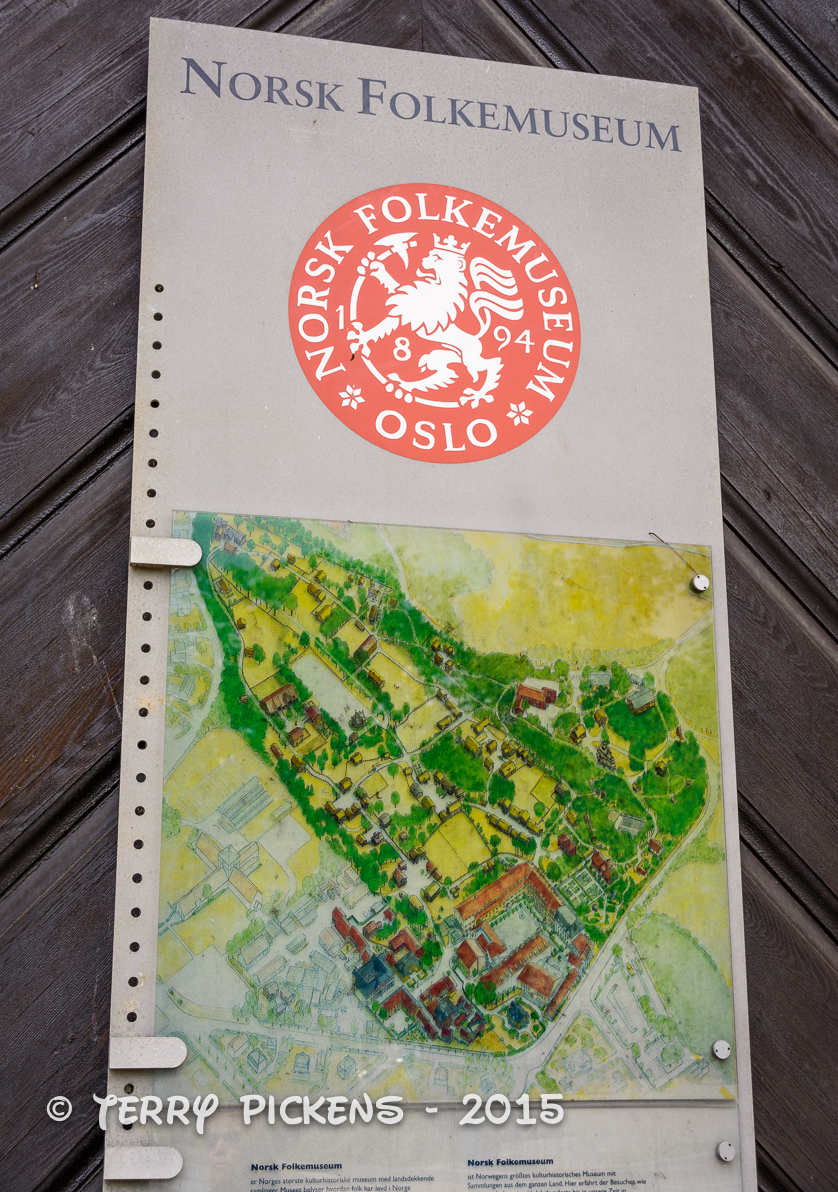
Arriving at the museum we gain access using the Oslo Pass (link) again without an admission fee. Founded in 1894 the Outdoor museum is Norway’s largest Cultural History museum that includes 160 buildings from around the country and 230,000 artifacts from the 1500’s to the present. The grounds include architecture and artifacts from towns, country farms and estates and all social classes. It is interesting to see the folk art, costumes, toys, exhibits, artifacts and life from the areas these buildings were brought from. They have costumed actors in some of the buildings providing insights into the daily life and crafts during the time period of that building, the actors are so happy to discuss how life was during that time period with any guest entering. The Stave Church is one of 5 medieval buildings from the 1200’s and is very impressive both inside and out. It was deconstructed and moved to the museum when the congregation needed a larger church. Our bodies need refueling so we stop in for a very good quick lunch of sandwiches, desert and drinks in the museum café and head back out to continue our exploration of the grounds. (Text continues below gallery)
- Stave Church
- Stave Church – Interior wood painting of the Last Supper
- Stave Church – Interior
- Norsk Folkemuseum Street
- Norsk Folkemuseum – Barn
- Norsk Folkemuseum – Barns
- Norsk Folkemuseum – Farm
- Norsk Folkemuseum – Barn
- Norsk Folkemuseum – Home cooking fireplace
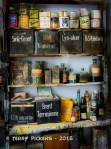
- Norsk Folkemuseum – Store Shelf
- Norsk Folkemuseum paint shop shelf
- Norsk Folkemuseum -Sewing Machine
- Norsk Folkemuseum -light switch
- Norsk Folkemuseum -Cash counting machine
- Norsk Folkemuseum -Candle holder
- Norsk Folkemuseum – Farm storage building foundation
- Norsk Folkemuseum – Barn building foundation
- Norsk Folkemuseum -Door hinge
- Norsk Folkemuseum – Door hardware
After a full day of walking at 5 PM we jump back on the bus, transfer to the T-Bane and arrive at our apartment for dinner and then off to the store to pick a few snacks for tomorrows adventures.
During all the vacations Jodi (a graphic artist) and I (architect) take you will notice a pattern, we love history, art, architecture and the culture of the country we visit. Both our families have members that have immigrated to the USA from Europe since the early 1600’s and we have visited places that just feel comfortable to us, only later to find out that our forefathers came from that area 100’s or 1,000’s of years ago.
Going to museums, art galleries, walking the streets and alleys of a destination, eating where locals dine and talking with people are the best ways to understand the similarities and differences of our countries. Never ask where to go to eat always ask where they would go to eat. It is pleasant to learn by seeing and actively participating in the ways of other cultures. We have met very wonderful and colorful individuals in our travels and would not change the way we travel for anything. We have discussed governments with the owner of a Laundromat outside of Amsterdam while we did laundry, and discussed local sites to visit during breakfast with the family of a B&B in Southern France, during all these encounters we have had wonderful conversations with so many people. Getting on the ground, staying and eating with locals rather than other tourists is amazing (better and inexpensive). Going to a café or restaurant and not being able to read a menu can bring unexpected delights, very seldom not so much, but that is the adventure. We have never been treated with disrespect and it seems a majority are willing to do their best to converse and help us with our travels.
Vikingskipshuset (Viking Ship Museum) Oslo, Norway
We are staying in the Schous Plass area of Oslo and head to the Schous Plass T-Bane stop to catch the trolley to the downtown area where we’ll need a transfer to a bus to Bygdoy for our visit to the Vikingskipshuset and the Norsk Folkemuseum, our adventures for today’s Norwegian history lesson. Continue reading
Royal Palace and the Museum of Medieval Stockholm

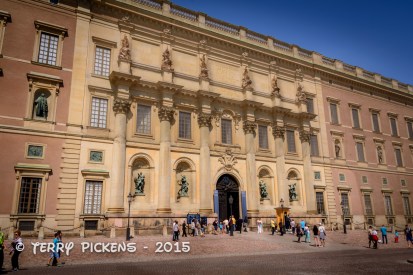
Royal Palace
Our first visit after wandering around the streets in morning was Kungliga Slottet (link), the Royal Palace, a magnificent baroque style building by the Architect Nicodemus Tessin. This is the King of Sweden’s residence with over 600 rooms on seven floors with a state apartment. The Royal Palace of Stockholm is His Majesty The King’s official residence and is also the setting for most of the monarchy’s official receptions. The palace is a daily place of work for The King and Queen as well as for the various departments that make up the Royal Court.
This combination of royal residence, workplace and culture-historical monument open year round to visitors makes the Royal Palace of Stockholm unique amongst Europe’s royal residences.
The palace contains many interesting things to see. In addition to the Royal Apartments there are three museums steeped in regal history: the Treasury with the regalia, the Tre Kronor Museum that portrays the palaces medieval history and Gustav III’s Museum of Antiquities.
Before entering this residence we must first put all our bags and cameras (yes even phones) in a locker and don little bootees over our shoes to protect the floors and carpets. As with all European palaces this one does not disappoint in its opulence. What a shame we could not take any pictures inside to share but as with any of these palaces you must experience them in person to understand the grandness of the spaces.
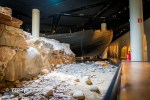
After our long walk inside the Royal Palace we head over to the underground Stockholm Medeltidmuseum (link) (Museum of Medieval Stockholm). This museum is the largest excavation in Stockholm under the Riksdagshuset (Parliament House) and on Riksplan Plaza, this museum houses 55 feet of the original 16th century fortified wall, a 1520’s war ship, the Riddarholmsskeppetand, reconstructed buildings and artifacts from the time period. The exhibits tell of Stockholm’s emergence and the town’s development in the Middle Ages. The exhibition inside describes with compassion how the people lived and made a livelihood. It was very interesting to see the life and history of the people of Stockholm during the 16th century.
- 16th Century Wall & War Ship
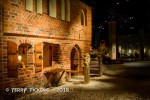
- Medievil Museum street scene
- Medievil Museum 16th Century Building
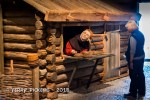
- Medievil Museum Home Bakery


You must be logged in to post a comment.